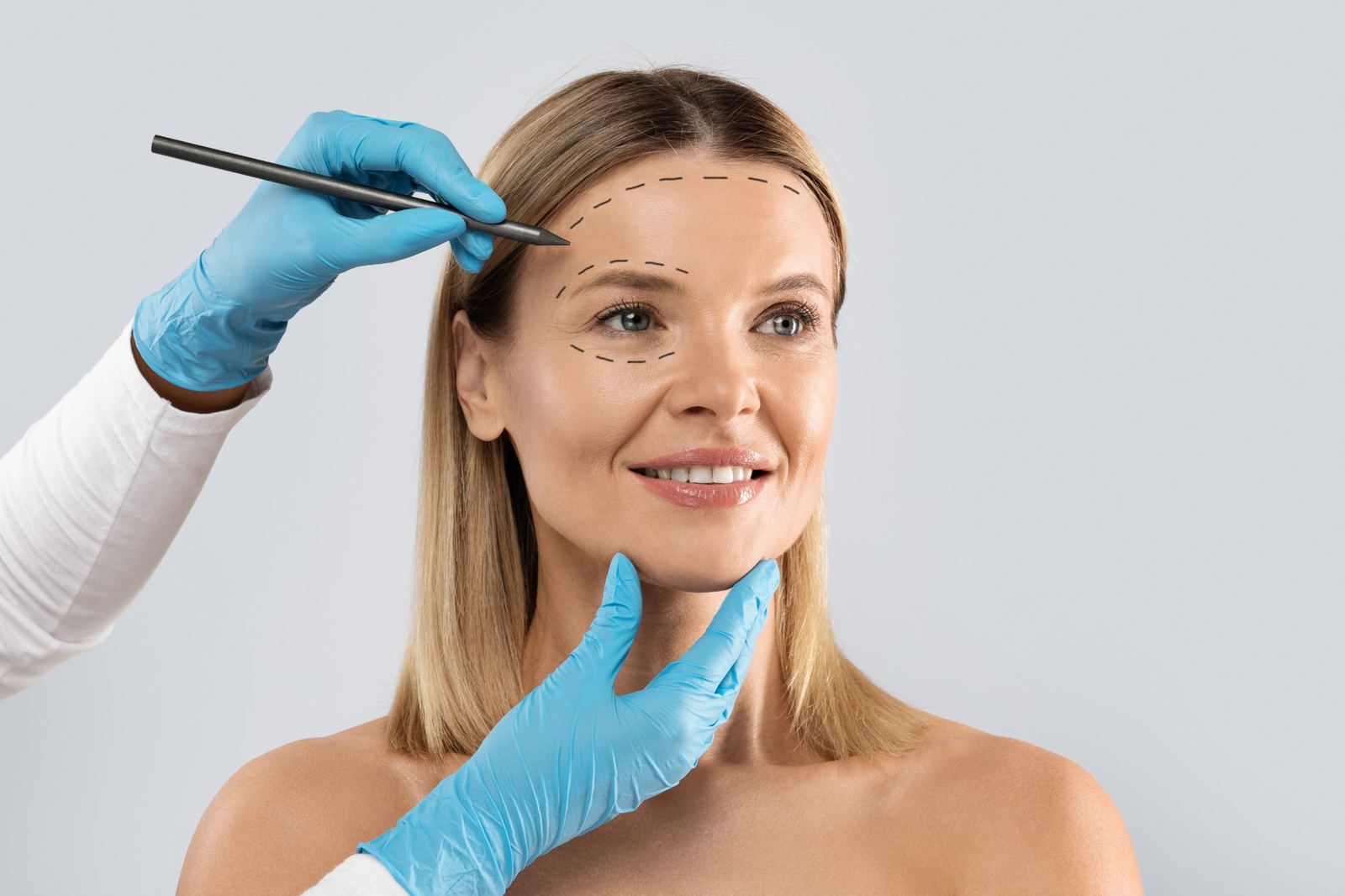
A patient spends four months researching a procedure, meets with three plastic surgeons, and goes home with three different treatment recommendations. Each surgeon seems qualified. Each consultation answers some questions and raises others.
Weeks later, the patient schedules surgery with the practice that stayed in touch, clarified the recovery plan, and made it easy to speak with the surgeon again.
Plastic surgery marketing is the process of attracting prospective surgical patients, helping them evaluate a surgeon and their treatment options, and guiding them from initial research through consultation and an informed decision. It combines local search visibility, advertising, surgeon-led education, patient reviews, and thoughtful follow-up.
That longer decision process changes where a practice should invest. A strong website may earn the first inquiry, but the surgeon’s credibility, the consultation experience, and the way the team handles unanswered questions all influence what happens next.
This guide covers the channels worth prioritizing, the advertising rules that matter, and the numbers that show whether marketing is producing surgical cases.
How surgical patients make their decisions.
Choosing elective surgery is a deeply personal decision. Patients are evaluating the procedure itself, the person who will perform it, and the potential impact on their lives.
A prospective rhinoplasty patient may spend months reviewing results on faces with similar features. Someone considering a tummy tuck may need to plan around childcare, work, and several weeks of recovery. A breast surgery patient may want to understand implant options, scarring, long-term maintenance, and possible complications before making an appointment.
These concerns shape how patients research surgeons.
They may begin with a broad search about the procedure, then narrow their options based on qualifications, before-and-after photographs, reviews, and location. Once they identify a few surgeons, they compare consultation experiences and treatment recommendations.
Trust in the surgeon is especially important. Patients want to know who will operate, what that surgeon recommends for their anatomy, how risks are discussed, and what support is available during recovery.
Financing adds another layer. The quoted surgical fee may include the surgeon, anesthesia, facility, and postoperative care, or those charges may be presented separately. Patients need enough information to understand the complete financial commitment.
Some patients are ready to schedule after one consultation. Others want a second opinion or additional time.
Effective marketing gives patients useful information at each stage while allowing them to make decisions without pressure.
Why surgical and non-surgical patients need different marketing strategies.
Many practices offer both operations and non-surgical treatments, so cosmetic surgery marketing has to serve patients with different priorities.
Someone booking Botox or a facial treatment may be comparing convenience, appointment availability, provider experience, and price. They may be ready to book within days.
A patient considering a facelift or breast reduction may be evaluating surgical risks, time away from work, anesthesia, scarring, and the surgeon’s qualifications. Their decision can take considerably longer.
These differences should shape your website, advertising, and follow-up.
Non-surgical services benefit from accessible booking, clear treatment menus, and local visibility. Surgical services need more extensive education, detailed surgeon profiles, procedure-specific information, and a consultation process that accommodates questions.
The two audiences can overlap. An existing injectable patient may eventually consider surgery, and a surgical patient may return for non-surgical maintenance. However, the practice should never assume that interest in one service means a patient is ready for the other.
A broader medical practice marketing plan can coordinate both service lines, while a dedicated surgical strategy gives higher-consideration procedures the attention they require.
Dermatology faces a similar split between medical and cosmetic patients, which we cover in our dermatology marketing guide.
Where to invest first: seven plastic surgery marketing strategies.
A practice can attract qualified surgical patients by being visible when they start researching, credible when they compare surgeons, and responsive when they request a consultation.
These are the seven areas worth prioritizing.
1. Make the surgeon’s profile your strongest trust asset
For a surgical practice, the surgeon’s profile is one of the most important pages on the website.
Patients should be able to find the surgeon’s medical education, residency and fellowship training, board certification, hospital privileges where relevant, and areas of clinical focus. Explain those qualifications in language a patient can understand, with the certifying board named accurately.
A strong profile also introduces the surgeon as a person. Why do they approach a particular procedure the way they do? What considerations influence their recommendations? What can patients expect from a consultation?
A short introductory video and a link to the surgeon’s procedure-specific work can make the page more useful.
Avoid unsupported superiority claims such as “the area’s leading plastic surgeon.” The American Society of Plastic Surgeons (ASPS) publishes advertiser guidelines for its members and the marketing companies they hire. Those guidelines identify claims such as “best plastic surgeon in...” as problematic when they cannot be substantiated. California Business and Professions Code §651(b)(6) also restricts superiority claims unless they are relevant and supported by objective scientific evidence.
Specific, verifiable qualifications give patients something meaningful to evaluate.
2. Build procedure pages around local search intent
A patient searching for “rhinoplasty in Dallas” has different questions from someone researching “breast lift recovery.” Both searches are valuable, but they serve different stages of the decision.
Your core procedure pages should address patients actively evaluating treatment. Each page needs a clear description of the operation, appropriate candidates, consultation process, recovery considerations, potential risks, and factors affecting cost.
Explain where the surgery is performed and who is responsible for postoperative care. Include links to the treating surgeon’s profile and relevant patient resources.
Local SEO connects those pages to the geographic market you serve. Your Google Business Profile, practice location information, and procedure content should present a consistent picture.
Educational articles can then address narrower questions without repeating the entire procedure page. A rhinoplasty page might be supported by articles about recovery, revision surgery, or functional versus cosmetic concerns.
A useful SEO strategy gives each page a distinct purpose, so patients can move from research to consultation without encountering the same information repeatedly.
Check that your Google Business Profile category and social profile categories accurately reflect the surgeon’s credentials and the services provided. Labels such as “plastic surgeon” should not be used in ways that misrepresent qualifications or imply credentials the provider does not hold.
3. Use Google Ads for procedures you want to grow
Paid search can help a practice reach patients who are actively comparing surgeons.
Start with procedures you have the clinical capacity to perform and the operational capacity to support. A surgeon looking to grow facelift consultations may benefit more from a tightly focused campaign than from advertising every procedure on the practice’s menu.
Build campaigns around relevant search terms, geographic targeting, and dedicated landing pages. Keep the advertised service consistent with the page patients reach after clicking.
Review search terms for irrelevant traffic, including training programs, jobs, and procedures the practice does not perform.
Before increasing the budget, test the inquiry process. Call the practice number, submit a consultation form, and check how quickly the team responds. Make sure inquiries reach the correct staff member and are recorded accurately.
Advertising performance depends on what happens after the click. The same principles behind effective Google Ads for med spas apply here, although surgical campaigns need their own procedure targeting, patient education, and compliance review.
4. Build a review process around the patient experience
Surgical patients often read reviews for details that go beyond the final result.
They want to know whether the surgeon listened, explained risks, answered questions, and remained accessible during recovery. Reviews describing these experiences can help prospective patients understand how the practice operates.
Ask patients for honest feedback through a consistent, privacy-conscious process. Avoid requesting only positive reviews or offering incentives that compromise authenticity or violate platform rules.
Do not disclose someone’s patient status or treatment details when responding publicly. A general response that invites an offline conversation is safer than discussing the person’s care in a review thread.
5. Put the surgeon on camera
Video allows patients to hear directly from the person they may trust with their operation.
The strongest topics often come from questions already asked in consultation:
- What can rhinoplasty change, and what are its limitations?
- How do you determine whether someone is a candidate for a facelift?
- What should patients arrange before recovering from a tummy tuck?
Keep the focus on clear explanations, realistic expectations, and clinical judgment. Avoid presenting a simulated outcome as a promise.
A useful video can live on the procedure page, appear in search results, and provide material for shorter educational clips. One thoughtful recording may serve several channels without requiring a constant production schedule.
6. Develop referrals through professional relationships
Referrals remain relevant even when a practice invests heavily in digital channels.
Depending on the services offered, relationships with dermatologists, primary care physicians, other surgeons, and appropriate healthcare professionals can help patients reach the right provider.
Make your referral criteria clear. Explain which procedures you perform, when additional evaluation is needed, and how your practice communicates with referring clinicians.
Maintain professional boundaries and comply with applicable referral and compensation rules. The value of the relationship should come from coordinated patient care.
7. Make your expertise understandable to AI search
Patients increasingly encounter AI-generated answers while researching procedures and surgeons. Those answers may summarize information from practice websites, professional organizations, and other online sources.
Plastic surgery digital marketing should account for this changing search experience without chasing speculative ranking tricks.
Use descriptive headings, answer specific patient questions, identify the surgeon responsible for clinical information, and keep credentials and practice details consistent across reputable sources.
For example, a page that clearly explains how a surgeon evaluates facelift candidacy gives search systems more useful information than a page filled with vague promises about looking younger.
Structured data may help search engines interpret page information, but it cannot guarantee inclusion in AI-generated answers.
The practical goal is to publish accurate, well-organized content that patients and search systems can understand.
Our guides to AI search in med spa marketing and med spa SEO explore related search visibility considerations.
From consultation to booked surgery.
A consultation can go well without ending in a booking.
The patient may like the surgeon and understand the recommendation but still need to arrange time off, discuss the expense with a partner, or consider another opinion. Those are legitimate parts of deciding whether to undergo surgery.
Your consultation process should make the next steps clear without pressuring the patient.
Give patients a treatment summary they can revisit
After the appointment, provide a written summary of the proposed procedure, expected recovery, material risks, alternatives, and recommended next steps.
Patients may remember only part of a detailed consultation. Having the information in writing helps them revisit what was discussed and prepare additional questions.
Explain the full financial commitment
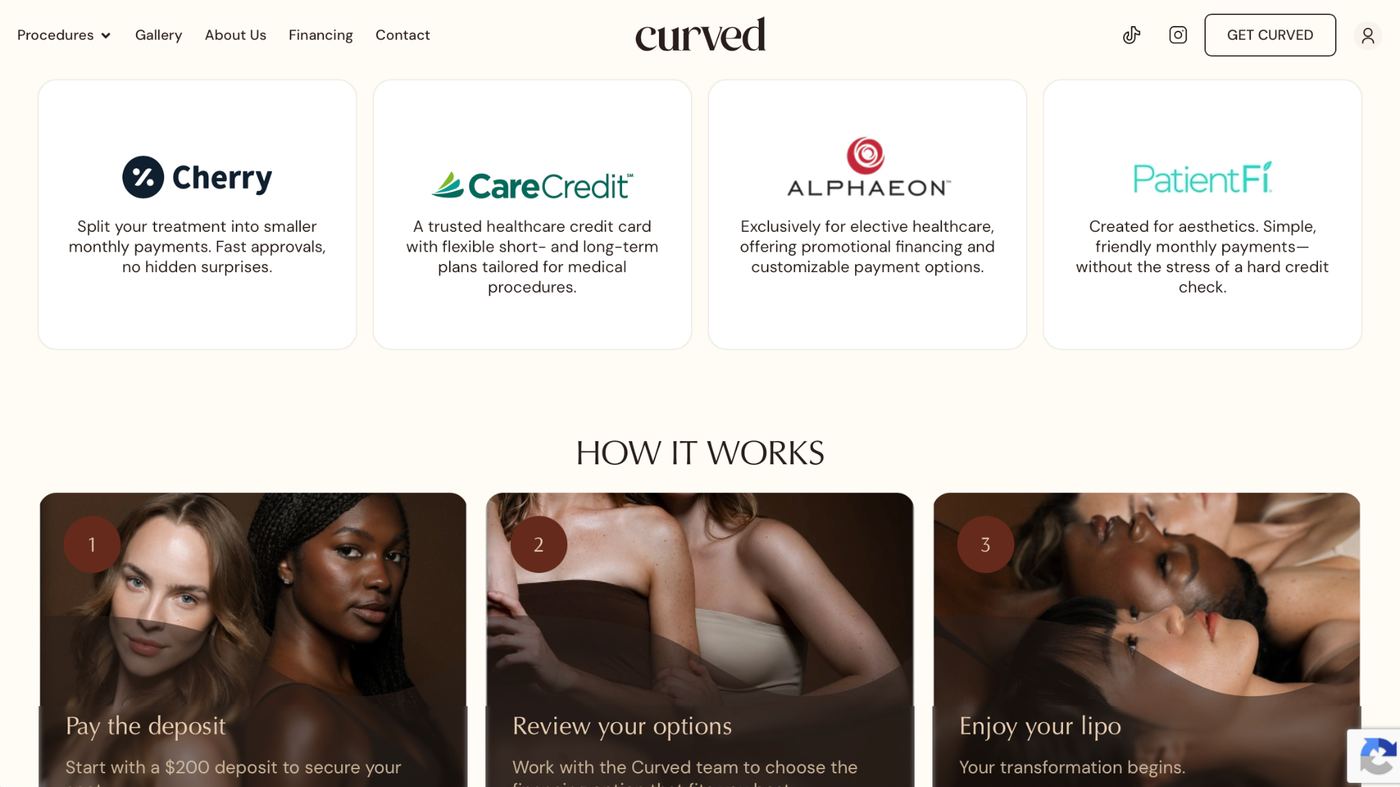
A surgical quote should identify what is included and which expenses may be separate, such as anesthesia, facility fees, garments, medications, or follow-up care.
If financing is available, explain eligibility, interest rates, payment terms, and other material conditions. Patients should have enough information to assess affordability without feeling pushed toward an immediate commitment.
Create a thoughtful follow-up timeline
A simple process can keep communication organized:
- Within two days: Send the consultation summary through an appropriate, secure channel and offer to clarify outstanding questions.
- Around one week: Check whether the patient needs additional information about the recommendation, recovery, or estimate.
- After two to three weeks: Offer another conversation with the surgeon if the patient is still evaluating their options.
Treat this as a starting point and adjust it to each patient’s preferences. Respect communication choices and stop contacting patients who decline further follow-up.
The ASPS guidelines also prohibit appeals to patients’ fears, anxieties, and emotional vulnerabilities. That principle matters in follow-up just as much as in advertisements. Avoid messages suggesting patients will regret waiting or that surgery is necessary to feel confident.
A useful follow-up gives the patient another opportunity to ask questions. The decision remains theirs.
Before-and-after photos, testimonials, and advertising rules.
Before-and-after galleries are important research tools for many surgical patients. They also create compliance risks when photographs are edited, presented inconsistently, or used without appropriate authorization.
Present surgical results accurately
The ASPS advertiser guidelines for member surgeons and their marketing companies prohibit images that misrepresent results through changes in lighting, posing, or photographic techniques. They also require clear disclosure when portrayed outcomes are atypical and prohibit presenting models as though they received the advertised procedure.
For a surgical gallery, use consistent positioning and lighting, identify the procedure performed, and avoid retouching that changes the apparent outcome. Include relevant context, such as postoperative timing, where appropriate.
The guidelines also restrict misleading testimonials and compensated endorsements concerning the quality of a member surgeon’s medical care or qualifications.
Obtain appropriate patient authorization
For HIPAA-covered practices, identifiable patient images used in marketing generally require a valid authorization under 45 CFR §164.508.
That authorization should clearly describe the intended use, identify the relevant parties, include an expiration date or event, and explain the patient’s right to revoke authorization. Treatment generally cannot be conditioned on signing a marketing authorization, and the form must communicate that protection.
Keep marketing authorization separate from ordinary treatment consent unless a regulatory exception applies. Review the intended use before repurposing an image for a new campaign or platform.
Check state advertising and board-certification rules
State rules vary, and California provides a useful example.
Under California Business and Professions Code §651, before-and-after images must be comparable in presentation, identify the procedure performed, and disclose that other patients may not achieve the same results.
The statute also restricts how physicians advertise board certification. In qualifying advertisements, the full name of the certifying board must accompany “board certified” with comparable prominence. Not every organization issuing a cosmetic surgery credential qualifies under the statute.
For a practice website, this means checking the surgeon’s biography, ad copy, page titles, Google Business Profile, and social profiles for accurate credential descriptions.
Require surgeon approval before publication
The ASPS advertiser guidelines expressly require marketing companies to submit advertisements and other work to the member surgeon before distribution.
Build that approval into the workflow for websites, paid ads, social content, patient photographs, and testimonials. Keep records of approved materials and the authorizations supporting their use.
A compliance review should happen before publication, when changes are still easy to make.
What does plastic surgery marketing cost?
Marketing costs vary by market, procedure, competition, and the practice’s existing visibility.
For paid search, LocaliQ’s healthcare search advertising benchmarks, based on campaigns run from October 2024 to September 2025, provide a useful starting point. The report draws on more than 3,500 healthcare search campaigns and includes the following median figures for plastic and cosmetic surgery:
- Cost per click: $5.75. The median amount paid for an ad click.
- Cost per lead: $102.51. The median advertising cost to generate a lead.
- Conversion rate: 8.52%. The median rate at which ad clicks generated tracked conversions.
These figures are medians across many campaigns, so expect your own results to vary. A rhinoplasty campaign in a competitive metropolitan market may perform differently from a breast reduction campaign in a smaller city.
More importantly, an inquiry still has to become a consultation, and a consultation still has to become a surgical case. Your budget should account for that longer decision process.
How to measure marketing performance.
A practice can generate plenty of inquiries and still struggle to fill its surgical schedule. To understand whether your marketing is producing results, track what happens after patients contact the office.
Focus on these six metrics:
- Cost per inquiry: How much you spend on marketing divided by the number of inquiries generated.
- Consultation booking rate: The percentage of inquiries that turn into scheduled consultations.
- Consultation attendance rate: The percentage of booked consultations patients actually attend.
- Consult-to-case acceptance rate: The percentage of completed consultations that result in accepted surgical treatment plans.
- Cost per booked case: Your marketing spend divided by the number of surgical cases booked.
- Collected revenue per case: The actual revenue collected from each surgical case.
What these numbers look like in practice
Consider this hypothetical example, not an industry benchmark.
A practice spends $4,000 on a rhinoplasty campaign. It receives 40 inquiries, books 20 consultations, and 16 patients attend. Four patients eventually schedule surgery.
That produces a $100 cost per inquiry, 50% consultation booking rate, 80% attendance rate, 25% consult-to-case acceptance rate, and $1,000 advertising cost per booked case.
The practice can then compare its acquisition cost with collected revenue and contribution margin after relevant clinical and operating expenses.
If inquiries are plentiful but consultations are scarce, investigate scheduling and inquiry handling. If patients attend but rarely proceed, review patient fit, expectations, treatment explanations, pricing clarity, and the consultation experience.
Those findings are more actionable than website traffic alone.
How to choose a marketing partner for your practice.
An experienced partner for plastic surgeon marketing should understand surgical patient decision-making and the professional obligations involved in promoting medical care.
Ask how the team handles surgeon credential claims, patient images, consent, advertising approval, and ASPS guidelines. Review examples of procedure pages and reporting dashboards.
Look for evidence that the team measures consultations and booked cases, with clearly identified results and no guarantees of surgical volume.
The strongest partnership combines marketing expertise with a review process that keeps the surgeon responsible for clinical accuracy.
Frequently asked questions.
How much should a plastic surgeon spend on marketing?
There is no universal budget. Spending should reflect the practice’s location, procedures, operating capacity, existing referral base, and growth goals. Start with clear priorities, track consultation and case acquisition costs, and increase investment when results support it.
What is the best marketing for plastic surgeons?
Start with a credible surgeon profile, informative procedure pages, and strong local search visibility. Paid search can help attract patients researching specific operations, while reviews and surgeon-led videos support the evaluation process. Track completed consultations and booked surgical cases to identify which channels contribute most effectively.
Can I advertise as “board certified”?
Only when the claim is accurate and complies with applicable law. Identify the certifying board by its full name and verify whether that credential qualifies under the rules in your jurisdiction. California, for example, places specific restrictions on qualifying boards and how certification is presented.
Can I post before-and-after photos?
Yes, when the images are properly authorized, accurately presented, and compliant with applicable professional and state rules. Use consistent photography, identify the procedure, disclose atypical results when required, and avoid suggesting that every patient can expect the same outcome.
How is plastic surgery marketing different from med spa marketing?
Surgical campaigns generally require more detailed education about the surgeon, procedure, risks, recovery, and financial commitment. Med spa campaigns often serve patients making shorter-term decisions about repeatable treatments. Practices offering both should develop distinct patient journeys while maintaining a consistent brand.
Build a stronger path from research to surgery.
Patients need time and reliable information to make surgical decisions. Your marketing should make it easier to evaluate the surgeon, understand the procedure, ask questions, and take the next step when ready.
At Aesthera Marketing, we help aesthetic practices improve their online visibility, communicate their expertise, and build stronger patient journeys. See how we work as a plastic surgery marketing agency.
Request a free marketing audit to identify opportunities across your website, search presence, and consultation process.

Emily Olsen
Director of Operations at Aesthera Marketing, helping aesthetic practices grow with marketing that actually books patients.